
How a Drunk Driving Attorney Challenges Breathalyzer Results
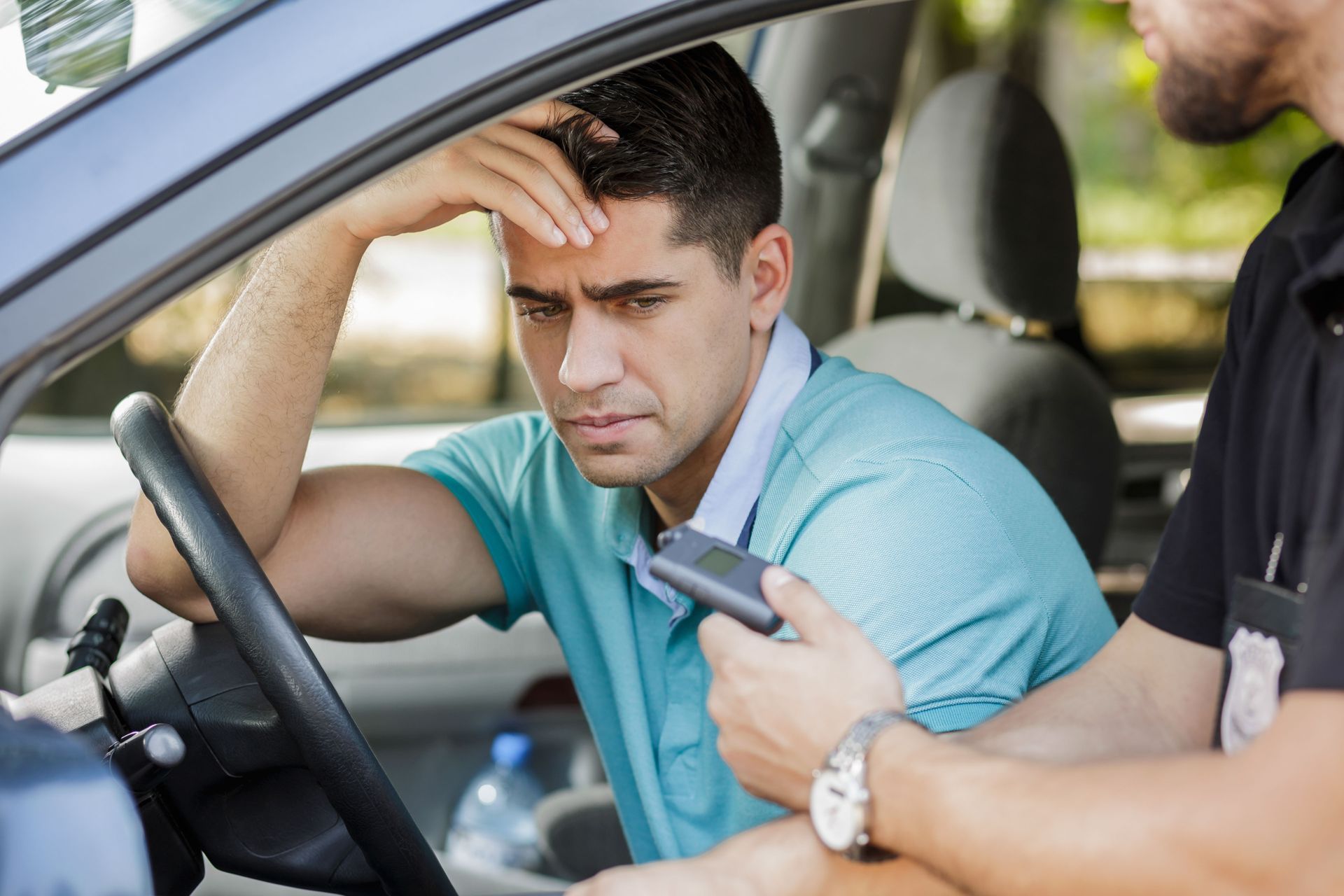
Breathalyzer tests are commonly used by law enforcement to determine a driver's blood alcohol content (BAC). However, these tests are not infallible, and drunk driving attorneys are skilled in identifying and challenging various aspects of their use and accuracy. This article explores the methods drunk driving attorneys use to confront breathalyzer results in court.
Examining Calibration and Maintenance Records
The importance of regular calibration cannot be overstated, as it is fundamental to the accuracy of breathalyzer devices. Like any intricate piece of machinery, breathalyzers require routine checks and adjustments to maintain their precision. Every adjustment and test must be meticulously documented. Missing or incomplete calibration records suggest potential inaccuracies and provide an opening for attorneys to challenge the results. These records thus form an essential part of a legal defense strategy.
Maintenance logs are equally significant, offering insight into the historical performance of the breathalyzer device used. These logs detail maintenance schedules, technical issues, repairs, and any irregularities encountered over time. If these logs show neglect or irregularities, the accuracy of test results becomes highly contestable. Defense attorneys can use inconsistencies in these logs to argue the unreliability of the specific devices. Ultimately, such scrutiny serves the purpose of ensuring that devices meet the necessary standards before being used as evidence.
Another tool in the defense attorney's arsenal is the subpoena of calibration and maintenance records. Obtaining these records permits a detailed inspection that may reveal careless operations or inadequate standards that might affect the device's accuracy. Such findings can be presented in court to question the results of the breathalyzer test. Drunk driving attorneys often leverage these records to demonstrate inconsistencies and inaccuracy. Subpoenas become critical in acquiring these essential proofs to build a persuasive defense.
Questioning the Testing Environment and Procedures
The testing environment and procedural integrity are critical factors that drunk driving attorneys scrutinize in their challenges of breathalyzer results. Conditions at the time of testing, such as temperature or humidity, can affect the performance of the breathalyzer. Poor atmospheric conditions can introduce errors that compromise the accuracy of results. Defense attorneys exploit any discrepancies in environmental factors to question the validity of the BAC reading obtained. This line of reasoning introduces reasonable doubt regarding the accuracy of the test results.
Another area of focus is the adherence to standard operating procedures (SOPs). Breathalyzer tests must be conducted under strict procedural guidelines, which ensure standardized and accurate results. Deviations from these SOPs cast a shadow on the accuracy and credibility of the results obtained. Defense attorneys meticulously investigate whether officers followed every official procedure and documented each step during testing. Highlighting any negligence or protocol deviation is a powerful strategy in court.
The timeline of the test relative to the traffic stop is also crucial in assessing the legitimacy of the evidence. Long delays between the time a driver is apprehended and the breathalyzer test can allow for the body's natural metabolic processes to alter BAC levels, either positively or negatively. According to the NHTSA, about 37 people die in drunk-driving crashes daily. Therefore, ensuring the breathalyzer reflects an accurate frame of time is vital for justice. Defense attorneys frequently probe these timelines to emphasize their significance in influencing test outcomes.
Investigating the Defendant's Medical and Dietary Conditions
Medical conditions present a complex dimension when challenging breathalyzer results, as certain health issues can affect BAC readings. For instance, conditions like gastroesophageal reflux disease (GERD) can cause alcohol to linger in the mouth, impacting breathalyzer readings. Hypoglycemia and diabetes can also prompt falsely elevated BAC levels, which do not accurately reflect a person’s intoxication. By presenting medical evidence, attorneys can highlight these exceptions to the court. This approach helps in establishing reasonable doubt about the validity of breathalyzer results.
Moreover, common medical treatments can interfere with breathalyzer accuracy. Certain medications or medical treatments can contain alcohol-based solutions or affect the body’s alcohol metabolism. These cases necessitate a comprehensive review of the defendant's medical history as part of the legal strategy. Defense attorneys may enlist medical experts to assess these interactions and present findings in court. The aim is to show that traditional breathalyzer results may not account for these nuances.
Dietary habits of the defendant can also lead to complications with breathalyzer results, as some foods and beverages can result in false positives. For instance, individuals on low-carbohydrate or high-protein diets may enter ketosis, a process which can release isopropyl alcohol into their breath. Certain sugary or fermented foods can also impact breath readings. Defense attorneys rely on scientific studies and expert testimony to explain these phenomena, underscoring the lack of infallibility in breathalyzer technology. Such evidence aids in constructing a robust defense centered around sensible health-based arguments.
Legal Strategies and Expert Witness Testimony
Expert witnesses play a pivotal role in the legal defenses against breathalyzer evidence. Their specialized knowledge and insights offer critical support in challenging the scientific and technical aspects of breathalyzer claims. Selecting credible and experienced experts is crucial, as their testimonies can elucidate technical information for legal professionals and jurors who might not be familiar with such complexities. These experts are instrumental in casting doubt on the reliability of test results through their professional interpretations and analyses. Their involvement enhances the credibility of the defense's arguments.
Identifying credible experts is an essential step in a defense attorney's strategy. These experts should possess recognizable qualifications in relevant fields such as toxicology, chemistry, or engineering. Defense attorneys ensure that these witnesses can present unbiased opinions bolstered by solid academic and experiential backgrounds. In court, expert testimonies based on empirical evidence and scientific methodologies carry considerable weight. Expert testimony aids in demonstrating how breathalyzer evidence can lack reliability and accuracy, further assisting in crafting compelling defenses.
Defense attorneys also utilize scientific studies and data to fortify the effectiveness of their arguments against breathalyzer evidence. These studies can provide insights into the inaccuracies and inconsistencies of breathalyzer technology. By referencing peer-reviewed scientific research, drunk driving attorneys can substantiate their claims regarding technological flaws and procedural errors. Such resources form a foundation upon which to build a well-reasoned case that invites scrutiny of breathalyzer-based evidence. These legal strategies focus on crafting effective cross-examinations and demonstrate reasonable doubt, thereby strengthening the defense’s overall position.
Challenging the Admissibility of Breathalyzer Evidence
Pre-trial motions to suppress breathalyzer evidence are a crucial step in undermining their relevance in a DUI case. These motions aim to challenge the legality and procedural integrity of how evidence was obtained. If it can be established that certain rules or guidelines were not followed, the evidence may be rendered inadmissible in court. Through diligent legal maneuvering, defense attorneys attempt to have crucial breathalyzer results excluded from consideration. This approach can significantly alter the trajectory of the case, often in favor of the defense.
Establishing grounds for inadmissibility is key to the success of these pre-trial motions. Defense attorneys may argue against the competency of the officers involved, inadequate procedural documentation, or violation of constitutional rights. For instance, if an arresting officer failed to follow specific testing protocols or pressured a client into taking the test without proper advisement, the test results could be deemed inadmissible. Highlighting these procedural missteps aids in questioning the soundness of the prosecution’s case. Success in these motions often relies upon proving a breach of protocol or rights.
Challenging law enforcement protocols is another strategy employed by drunk driving attorneys in questioning the admissibility of breathalyzer evidence. Any deviation from established procedures can be grounds for excluding test results from consideration. Furthermore, errors in the chain of custody regarding the breath samples can be exploited to dispute their integrity. Addressing these potential failures and exploring constitutional challenges help establish a solid foundation upon which to contest the use of the breathalyzer evidence. Successfully demonstrating these pitfalls can significantly impact the outcome of the case by casting doubt on the prosecution's evidence.
Challenging breathalyzer results requires a comprehensive approach that considers technological, procedural, medical, and legal perspectives. By scrutinizing every aspect of the breathalyzer's use and the circumstances surrounding its results, a skilled drunk driving attorney can effectively undermine its evidentiary value and protect the rights of their clients. Reach out to the Law Office of Christopher J. Whelton, APC today to see how we can help you!
Share On: