
How a Criminal Defense Lawyer Protects Your Rights
Facing criminal charges can be overwhelming, particularly when the legal process is unfamiliar. An investigation or arrest may raise concerns about personal freedom, employment, finances, and future opportunities. Criminal proceedings involve strict procedures, deadlines, and rules governing evidence. Although individuals have important legal protections, understanding how to exercise them can be difficult without professional guidance. Working with an experienced criminal defense attorney helps people understand their options, respond to allegations, and protect their interests. From initial questioning to courtroom proceedings, legal representation supports informed decisions and fair treatment under the law.
Explaining Your Constitutional Rights
Individuals accused of crimes have constitutional protections designed to promote fairness throughout the criminal justice process. These include the right to remain silent, the right to legal counsel, and safeguards against unreasonable searches and seizures. However, understanding how these protections apply during an investigation or arrest can be challenging. Certain rights depend on specific circumstances, making professional guidance valuable when determining how to respond to law enforcement requests.
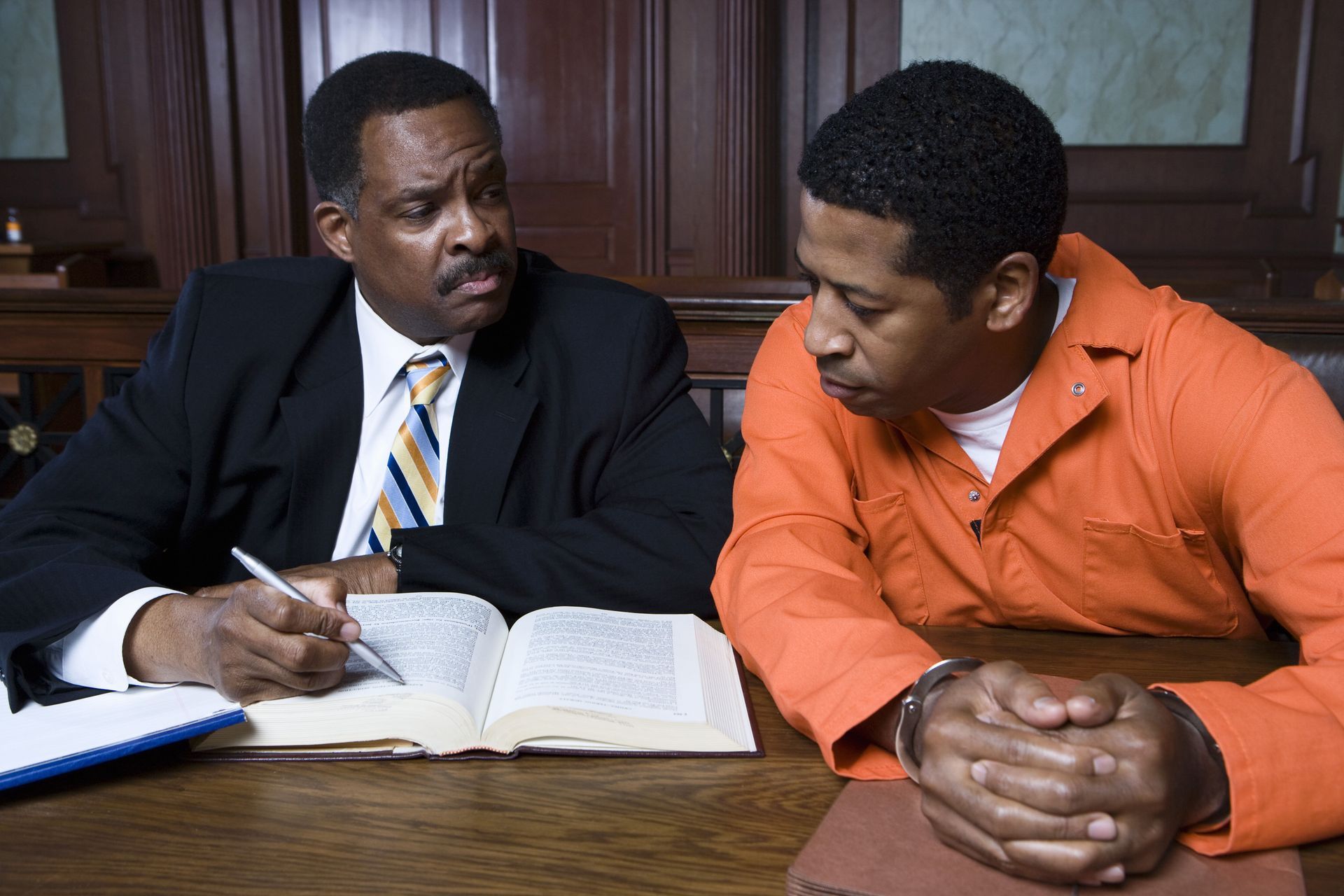
A criminal defense attorney can explain which protections apply to a particular situation and how individuals can exercise them appropriately. Legal counsel may clarify when someone can decline questioning, request representation, or challenge government actions. Understanding these rights helps defendants avoid decisions that could unintentionally affect their cases. Early guidance also establishes clearer expectations about the legal process and the responsibilities of everyone involved.
Protecting Your Interests During Questioning
Law enforcement officers may question individuals during investigations, traffic stops, arrests, or other encounters. Statements made during these interactions can become important evidence in criminal proceedings. Even seemingly harmless explanations may be interpreted differently when considered alongside other information. Individuals may feel pressured to answer questions without understanding their legal position. Recognizing when questioning presents potential risks is an important part of protecting personal interests.
Legal representation provides guidance about responding to investigators and exercising applicable rights. An attorney can explain the potential consequences of making statements and determine whether communication with authorities should occur through counsel. This assistance can be especially important when investigators request additional interviews or information. Understanding the implications of questioning allows individuals to make informed decisions without unnecessarily compromising their defense or creating additional legal complications.
Examining the Evidence Against You
Criminal allegations often depend on evidence collected through investigations, witness statements, surveillance footage, physical materials, or electronic records. However, the existence of evidence does not automatically establish guilt. Information may be incomplete, inconsistent, or subject to different interpretations. Reviewing the prosecution's evidence helps identify what the government intends to prove and whether the available information supports the allegations. Careful examination can reveal details initially overlooked during an investigation.
A criminal defense attorney can review available evidence, evaluate its reliability, and identify potential weaknesses in the prosecution's case. This process may involve examining police reports, comparing witness accounts, reviewing recordings, or consulting appropriate specialists. Attorneys can also investigate information supporting alternative explanations. A thorough review helps establish realistic defense options and prepares individuals for decisions that may arise during negotiations or courtroom proceedings.
Challenging Improper Investigative Procedures
Law enforcement investigations must comply with applicable constitutional requirements and legal procedures. Certain searches, seizures, interrogations, and evidence collection methods may be challenged when authorities fail to follow governing rules. For example, questions may arise about whether officers had sufficient legal justification for a search or whether particular statements were obtained improperly. These concerns require careful evaluation because the legality of investigative actions depends on specific circumstances.
Defense counsel can examine how evidence was obtained and determine whether legal grounds exist to challenge its admissibility. When appropriate, an attorney may file motions asking the court to exclude evidence collected in violation of applicable protections. Such challenges do not automatically result in dismissed charges, but they can affect which information prosecutors may present. Addressing procedural concerns helps ensure that the government's case receives appropriate legal scrutiny.
Evaluating the Charges and Potential Penalties
Criminal charges involve different classifications, legal elements, and potential consequences depending on the jurisdiction and alleged conduct. Possible outcomes may include fines, probation, incarceration, or other court-imposed requirements. Certain convictions can also affect professional licensing, employment opportunities, and other aspects of daily life. Understanding the allegations and possible consequences is essential before making decisions about how to proceed with a case.
A criminal defense attorney can explain the elements prosecutors must establish and discuss the range of legally available outcomes. Counsel may also identify factors influencing sentencing or determine whether alternative resolutions are possible. This guidance helps defendants distinguish potential penalties from outcomes that may be more likely under their circumstances. Clear explanations allow individuals to participate effectively in decisions affecting their freedom, responsibilities, and future opportunities.
Developing an Individualized Defense Strategy
Every criminal case involves different facts, evidence, and legal considerations. A defense strategy appropriate for one individual may not be suitable for another. Attorneys must consider the allegations, available evidence, relevant legal standards, and the defendant's objectives. Building an effective approach requires evaluating both the prosecution's position and information supporting the defense. This process helps identify which issues deserve attention throughout the proceedings.
Legal counsel may investigate witness accounts, review records, research applicable laws, and prepare arguments addressing disputed facts. Depending on the circumstances, the defense may focus on mistaken identification, insufficient evidence, procedural violations, or other legally supported issues. An individualized strategy also accounts for developments as new information becomes available. Careful preparation helps defendants understand their options without making unrealistic assumptions about how the case will conclude.
Negotiating Potential Case Resolutions
Not every criminal case proceeds to trial. Depending on the charges, evidence, and jurisdiction, prosecutors may consider negotiated resolutions. These arrangements can involve discussions about charges, sentencing recommendations, or other legally permitted terms. However, accepting an agreement can carry significant consequences, including a criminal conviction or restrictions affecting future opportunities. Defendants should understand these implications before deciding whether a proposed resolution serves their interests.
A criminal defense attorney can evaluate plea agreement proposals, communicate with prosecutors, and explain the advantages and disadvantages of available options. According to Zippia, the need for criminal defense lawyers is projected to rise by 10% by 2028. Regardless of professional demand, effective representation requires careful preparation and informed decision-making. Attorneys provide guidance during negotiations, while defendants generally retain authority over whether to accept plea agreements.
Representing Your Interests in Court
Criminal court proceedings involve formal rules governing evidence, testimony, motions, and legal arguments. Defendants unfamiliar with these requirements may find it difficult to present information effectively or respond to the prosecution's claims. Court appearances can also involve important decisions about scheduling, release conditions, and procedural requests. Having qualified representation helps ensure that relevant arguments receive attention through established legal procedures.
Defense attorneys prepare for hearings and trials by reviewing evidence, organizing arguments, questioning witnesses, and addressing legal issues as they arise. They may challenge testimony, present admissible evidence, and argue that the prosecution has not met its burden of proof. Although representation cannot guarantee a particular verdict, professional courtroom advocacy helps defendants present their positions and participate meaningfully in proceedings affecting their freedom.
Protecting your rights during criminal proceedings requires understanding the allegations, evaluating evidence, and making informed decisions throughout the legal process. From explaining constitutional protections to challenging investigative procedures, negotiating potential resolutions, and providing courtroom representation, experienced legal counsel can help individuals navigate complicated situations. Criminal charges can carry serious consequences, making early preparation and clear communication particularly important. Working with a knowledgeable criminal defense attorney provides guidance tailored to the circumstances of your case. Although no legal professional can guarantee a particular outcome, appropriate representation helps ensure that your position receives careful consideration. If you are facing criminal allegations or need guidance about your legal options, contact the Law Office of Christopher J. Whelton, APC today to schedule a consultation.

Share On: